Are Replacement Vacuum Cleaner Batteries Safe to Use?
Last updated:
Replacement vacuum cleaner batteries are widely available, but many users hesitate to use them due to safety concerns.
This guide focuses only on safety—explaining when replacement batteries are safe, what factors create risks, and how
those risks can be reduced through proper design and usage.
Why People Worry About Replacement Vacuum Cleaner Battery Safety
Fear of overheating or fire during charging
Concern about damaging the vacuum motor or electronics
Reports of low-quality or uncertified batteries online
Unclear compatibility, voltage, or battery specifications
What Actually Makes a Vacuum Cleaner Battery Unsafe?
Incorrect Voltage or Current Output
Batteries that do not match the required voltage or current range can generate excess heat or place long-term stress
on internal electronic components.
Poor-Quality Battery Cells
Low-grade lithium cells may suffer from inconsistent capacity, rapid degradation, or unstable thermal behavior,
increasing safety risks during normal use.
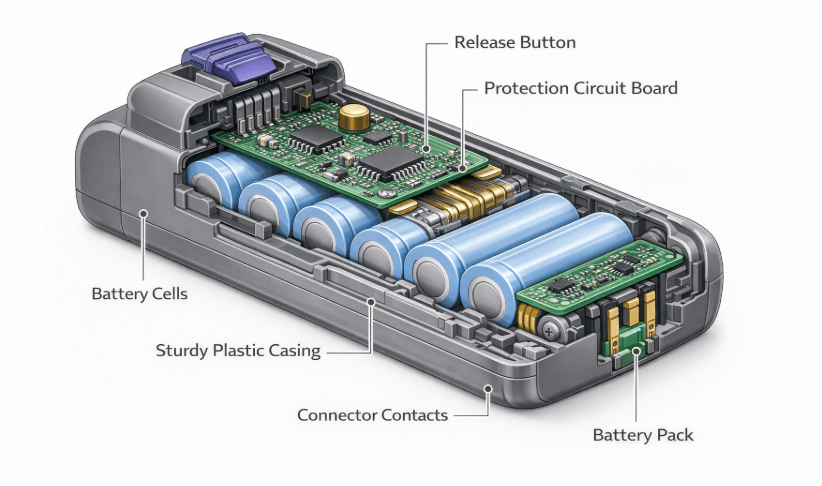
Missing or Faulty Protection Circuits
Safe vacuum cleaner batteries typically include protection against overcharging, over-discharging, short circuits,
and excessive temperature.
Lack of these protections significantly increases risk.
Are Replacement Vacuum Cleaner Batteries Tested for Safety?
Certification
What It Indicates
Why It Matters
CE
Compliance with EU safety requirements
Ensures baseline electrical safety
UL
Independent electrical safety testing
Reduces fire and overheating risks
RoHS
Restricted hazardous substances
Improves material and environmental safety
Common Safety Myths About Replacement Vacuum Batteries
Myth: Replacement batteries are more likely to explode
Explosion risk is linked to poor cell quality or missing protection circuits, not whether a battery is a replacement.
Myth: Replacement batteries always damage the vacuum
Damage is usually caused by incompatibility or incorrect specifications, not by the replacement nature of the battery.
Myth: Lower price automatically means unsafe
Price alone does not determine safety. Certification, design standards, and proper usage matter far more.
How to Use a Replacement Vacuum Cleaner Battery Safely
Match the exact vacuum model and battery specifications
Use only the recommended charger
Avoid charging in high-temperature environments
Fully charge the battery before first use
Stop using the battery if swelling or overheating occurs
When a Replacement Battery May NOT Be a Safe Choice
Very old vacuum models using outdated battery standards
Devices with proprietary battery management systems
Batteries with no identifiable certification or documentation
Final Verdict: Are Replacement Vacuum Cleaner Batteries Safe?
Replacement vacuum cleaner batteries can be safe to use
when they are properly designed, certified, and used correctly.
Safety depends more on quality, compatibility, and user behavior than on whether a battery is original or replacement.
Frequently Asked Questions
Can replacement vacuum cleaner batteries overheat?
Yes. Overheating may occur if the battery is poorly designed, incompatible, or used improperly.
Are replacement vacuum batteries regulated?
Many replacement batteries follow common safety standards, but certification should always be verified.
Is it safe to leave a replacement battery charging overnight?
Charging should follow manufacturer guidelines and be done in a well-ventilated area.
How long do replacement vacuum cleaner batteries usually last?
Battery lifespan depends on cell quality, charging habits, and frequency of use.